

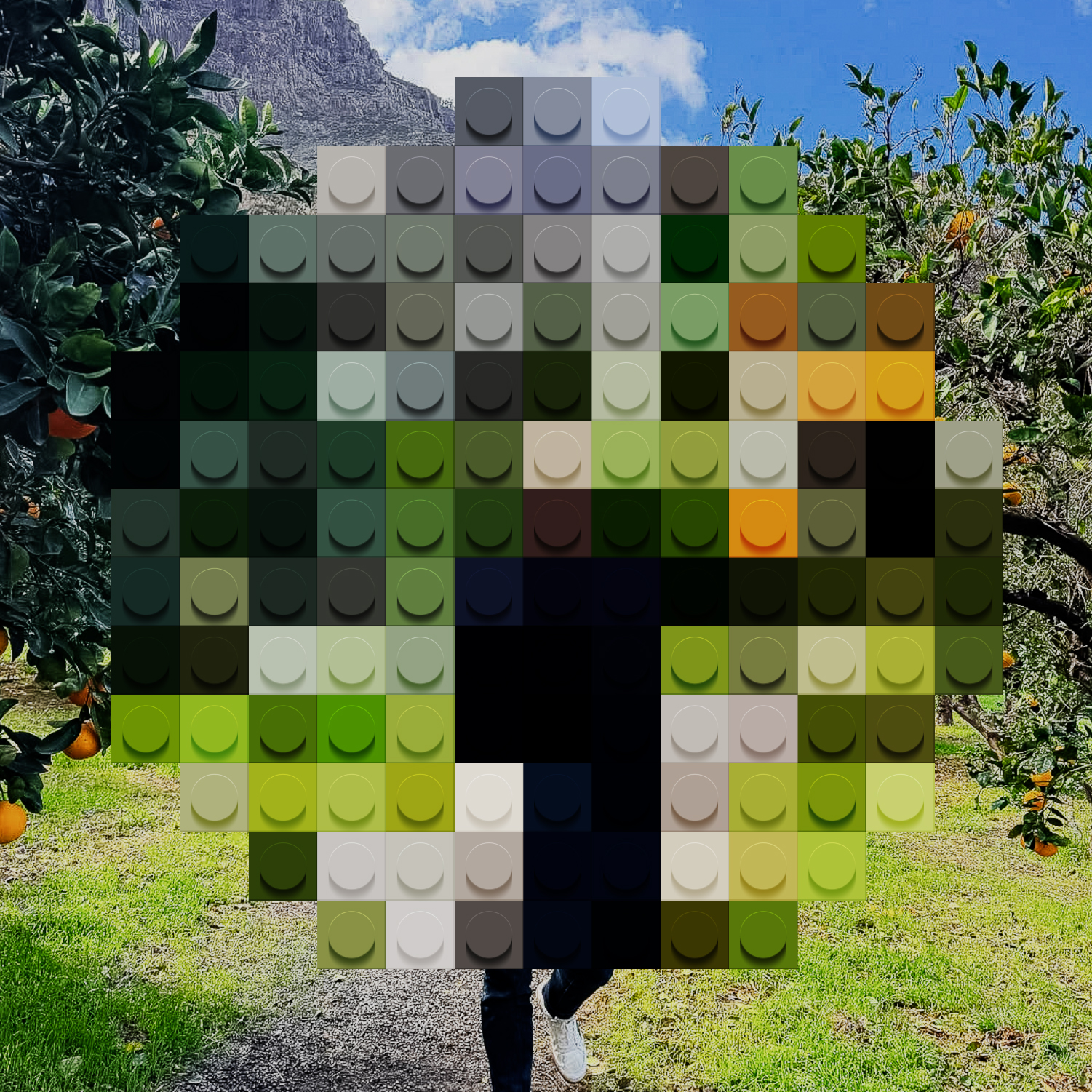
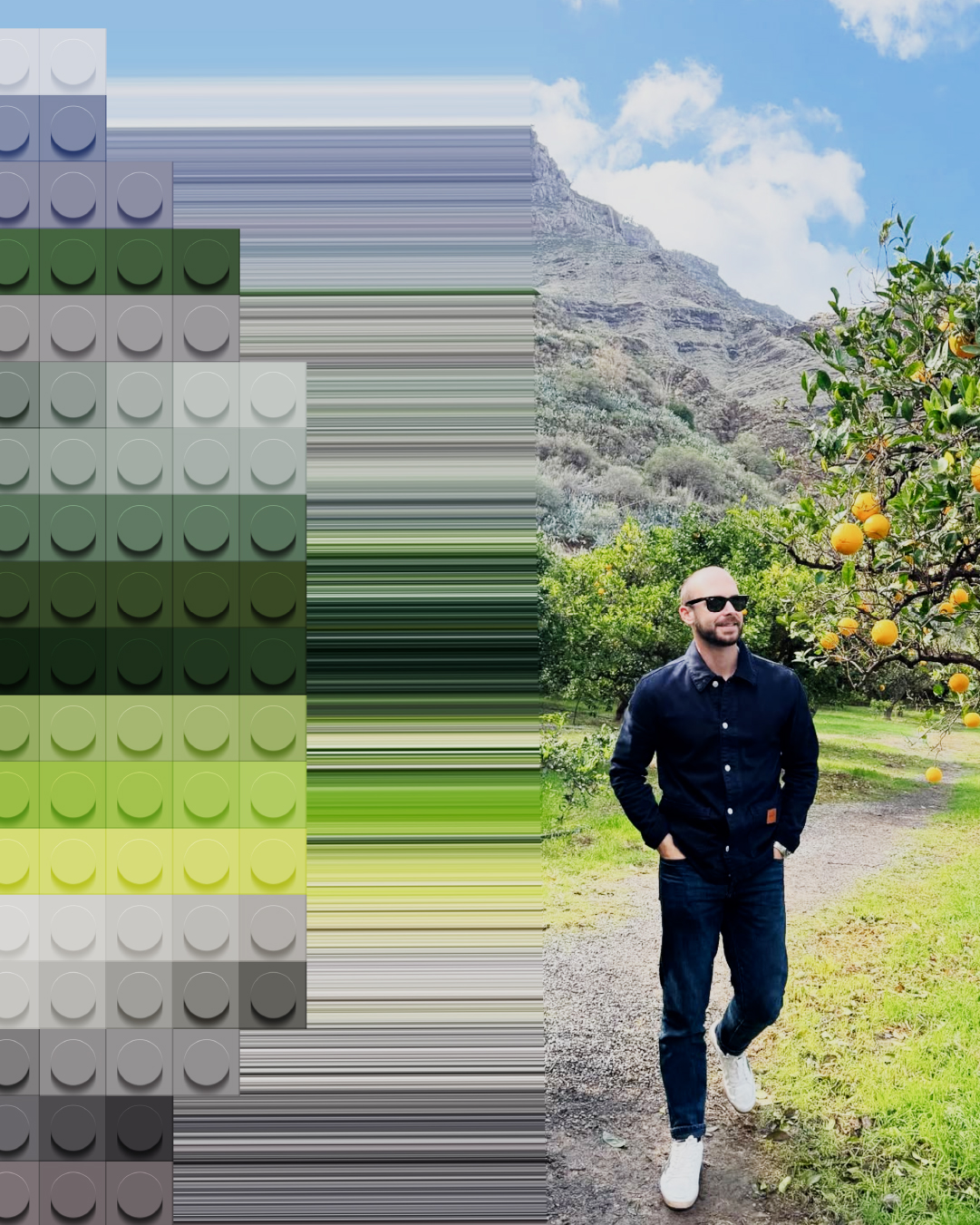
Some careers follow a straight line. Francisco Projecto's has always looked more like space exploration — branding, entrepreneurship, game design, market strategy — Dots that don't connect until you zoom out and see the pattern underneath: a person who builds things, learns from them, and starts again with a clearer direction.
Our Insights start from a simple place: a conversation with someone whose thinking we admire. No script, no agenda, just people in our orbit whose perspective is worth passing on. This one is with Francisco.
Starting Over Is Part of the Plan
Most people think about starting over as the thing that happens when a plan fails. Francisco engage with it as the plan. As CEO and Creative Director of BASLR, Francisco has worked across industries and borders, and spent years developing the ability to treat creativity not as a style or a talent, but as a method for solving real problems.
The turning point that changed everything was starting his studio. It pushed him out of a designer's head and into a builder's. "Design became the entry point, but the real work became strategy, positioning, business, people, timing and trust.”
That move — from designing things to building them — changed how he reads every brief that lands on his desk. "Today, I see creativity less as a profession and more as a way to build useful things: companies, brands, systems, products and opportunities.”
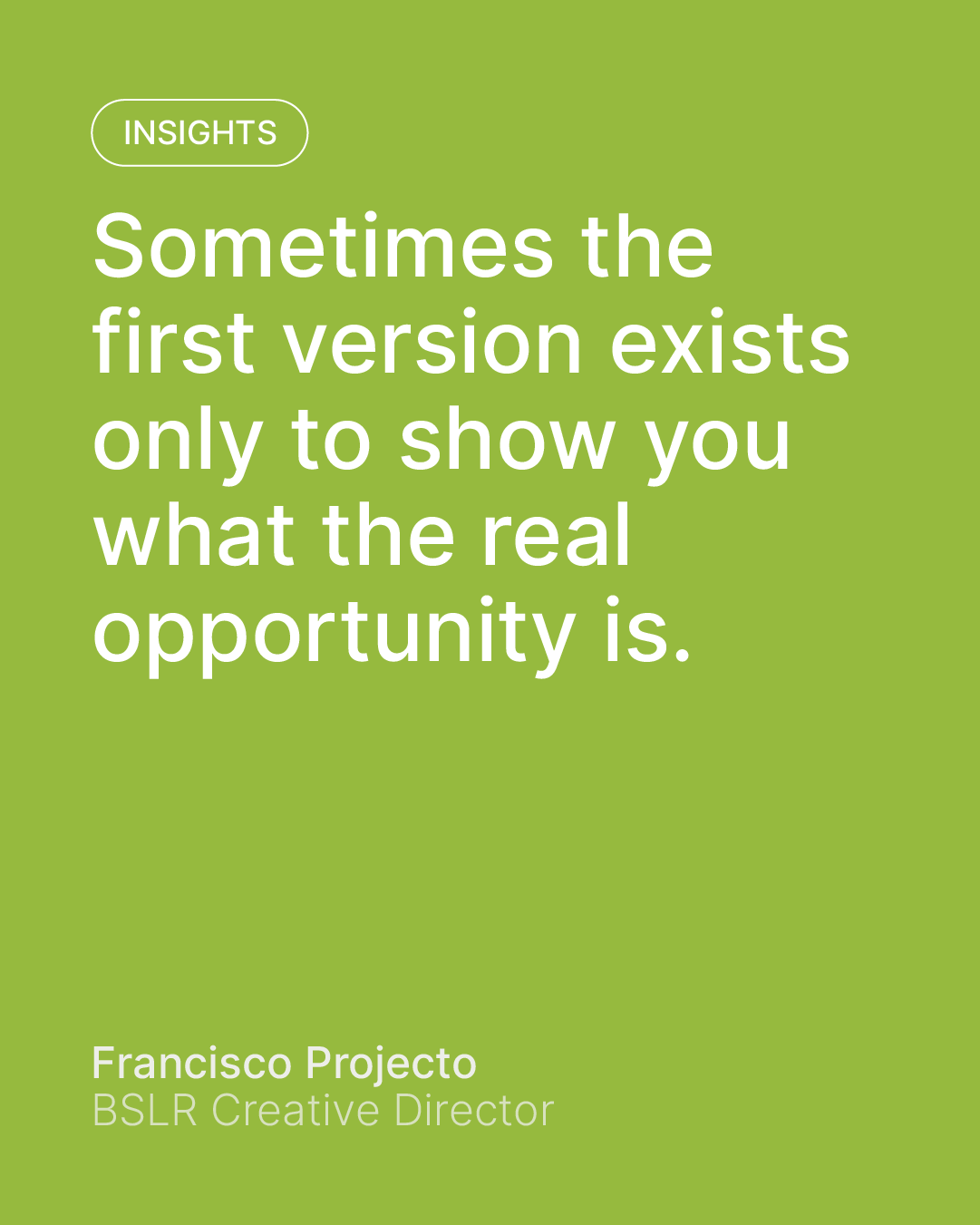
"Sometimes the first version exists only to show you what the real opportunity is.” It’s so interesting how he talks about starting again the way other people talk about research.
Decoding Strategy
We've written before about strategy as a brand's navigation system and how it establish the direction before any visual decision gets made.
"Without strategy, design becomes taste. With strategy, design becomes a decision.” The distinction carries weight. Taste gets picked apart in the first round of feedback. A decision holds.
Modern branding is orchestration, not control.
Michael Bierut (Pentagram - NY)
Working with large organizations sharpened this. On projects with Liga Portugal, PepsiCo, and public institutions, the design was rarely the hard part. "Complexity is rarely only a design problem. It is usually an alignment problem." The harder task was translating one clear idea for a room of people who each wanted something different from it.
A manual doesn't hold a brand together. Decisions do, along with language, behavior, and the smaller choices that never make it into a document.
How to Play
One part of his work sits outside the usual branding orbit: Francisco has designed more than 40 children's games in a single year, and used board games as a way into major organizations.
It began as a strategic move. "Games were a way to enter large organisations with something more memorable than a campaign or a presentation." Over time, the games started informing the branding work.
"A game only works if people understand what to do, why it matters and what they feel along the way. Branding is similar." Clarity, rhythm, emotion, participation. A brand works less like an image and more like something people move through.
The volume shaped the rest of it. Forty games in a year leaves little room to wait for inspiration. "When you create at that volume, you stop waiting for inspiration. You build systems, test patterns and refine constantly. Repetition does not kill creativity. If used well, it sharpens it."

- Build to learn. The first version often exists just to reveal the real opportunity.
- Strategy is a filter, not a phase: without it, design becomes just taste.
- Repetition only sharpens creativity.
- AI amplifies whatever's already there. Make sure what's there is strong.
AI needs direction
Any conversation about creative work in 2026 runs into AI eventually. It's part of the daily reality of the industry now, and Francisco has been working with it long enough to have a grounded read on it.
He's been building AI into BASLR's process for years. The current step is their AI Business Lab, an arm focused on helping companies rework not just their brand but the way they operate.
"AI only amplifies what already exists. If the strategy is weak, it amplifies confusion. If the vision is strong, it amplifies momentum." What’s concerning is the flattening effect. When everyone reaches for the same tools, references, and prompts, the output starts to converge.
"AI needs direction." On his read, the studios that hold an edge will be the ones with the clearest sense of what they're trying to say, not the ones producing the most. "Taste, empathy, judgment, courage and meaning remain deeply human. AI can generate options, but humans decide what matters."
"Understand who you are, your strengths and your weaknesses, and build your life and businesses around that truth. I don't think we completely change. Over time, we discover ourselves more clearly and learn how to use what we are."
Building, Breaking, Building Again
"A brand, a game, a campaign, a business model, a market entry strategy, an AI workflow — the format changes, but the mindset is the same. I like taking something unclear and giving it shape, direction and momentum."
That's the thread running through everything. Not one discipline, but a way of moving through all of them. Build, break, build again, each loop a little sharper than the last.
Quick-Fire Questions!
-
A belief you held early in your career that you no longer believe today?That good design is enough.
-
A brand you admire for how they evolve?Porsche.
-
A skill every designer should learn in 2026?Business thinking.
-
A book, film, or piece of art that shaped how you think?I'm probably shaped more by experiences, people and objects than by one single reference. But if I had to choose a book, Shoe Dog, Phil Knight's memoir.
-
Your personal tagline today?Understand who you are, your strengths and your weaknesses, and build your life and businesses around that truth. I don't think we completely change. Over time, we discover ourselves more clearly and learn how to use what we are.
Creative work rarely moves in a straight line, and Francisco's story makes the case for treating that as an advantage. Strategy as the starting point. Creativity as a practice, not a talent. Every new tool — AI included — only as useful as the direction behind it. It's a way of working that holds up regardless of the format in front of you.
We came to know Francisco through people who move in the same orbit we do. What started as a professional connection turned into something we've quietly built on together behind the scenes, and into someone whose evolution we've genuinely enjoyed watching.
Conversations like this one are part of why: a reminder that the people worth working with are usually the ones still asking questions about their own craft. People who treat their work as something to keep building, not something to finish.
Commit to evolve - together.
Written by: Eduardo Cortés
Date: July 17th 2026